
Empowering
Health Care with
Food is Medicine
Solutions
A guide for clinicians, health system leaders, and communities to design, implement, and sustain Food is Medicine programs.
Developed by the Food is Medicine Institute and Kaiser Permanente.
Why This
Toolkit?
The Food is Medicine Toolkit provides actionable strategies, evidence-based program design options, and practical implementation resources to help care teams deliver Food is Medicine programs and supportive education, tailored to patient population, organizational capacity, and reimbursement landscape.
Whether you’re exploring your first pilot program or scaling an existing initiative, this toolkit offers the roadmap to make Food is Medicine a sustainable part of comprehensive care.
This first version of the toolkit focuses on the implementation of FIM for people with type 2 diabetes, with more clinical applications to follow.
Why Now?
Who Should Use This Toolkit?
Health Care Providers &
Clinical Teams
Frontline clinicians, nurses, and care teams seeking evidence-based guidance on screening, referral, patient engagement, and delivery of Food is Medicine interventions.
Health System Leaders &
Health Plan Administrators
Decision-makers and champions evaluating program feasibility, sustainability, alignment with organizational goals, reimbursement models, and value-based care strategies.
This toolkit can also be helpful for community leaders, patients, vendors, policymakers, and other stakeholders interested in Food is Medicine.
What’s Inside?
Section 1:
Introduction to Food is Medicine
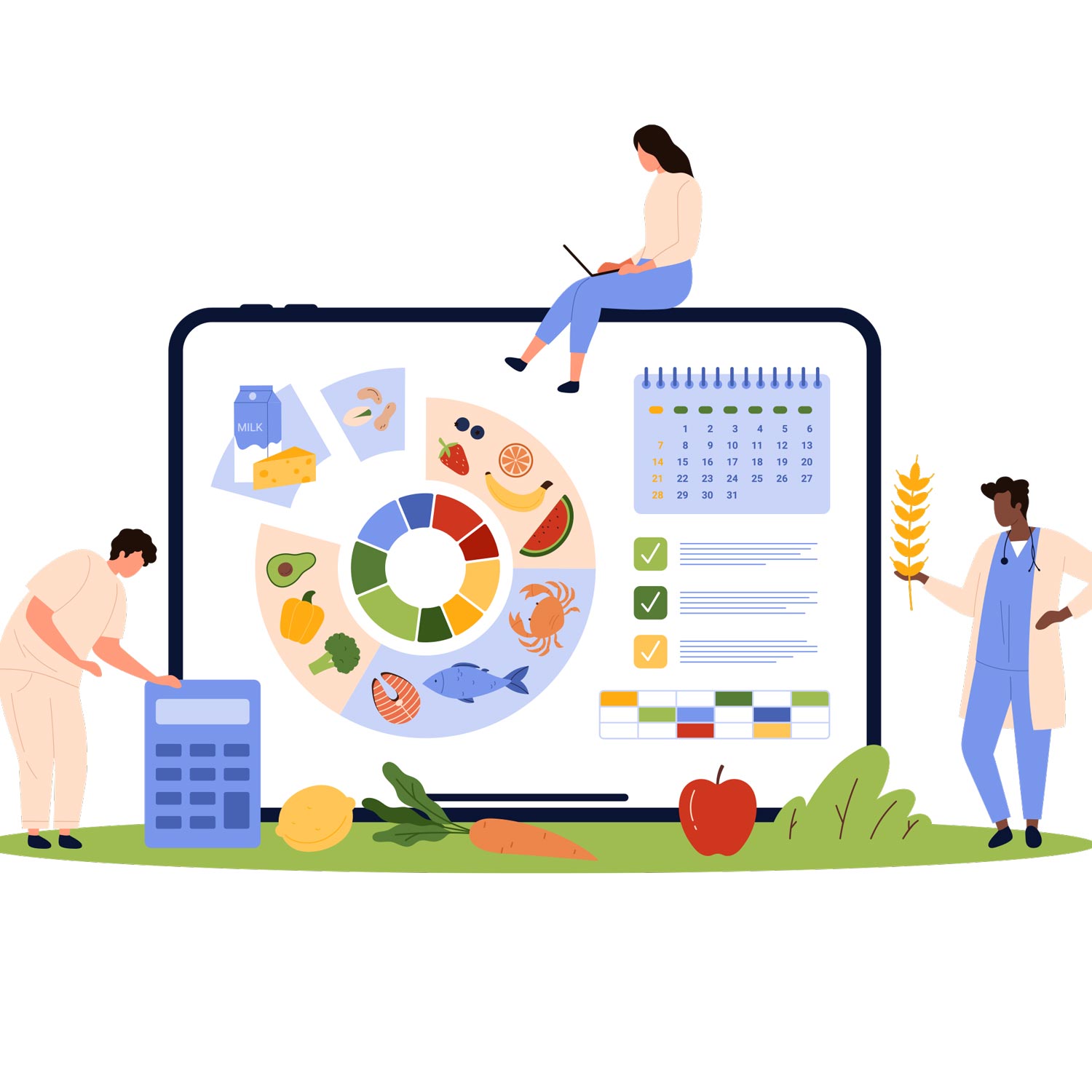
Understand the foundations of Food is Medicine, role of health care in nutrition, qualities of established program types, and evidence for clinical and social health outcomes using the example of type 2 diabetes.
Explore Section 1 ▶
Section 2:
Designing Effective Food is Medicine Programs
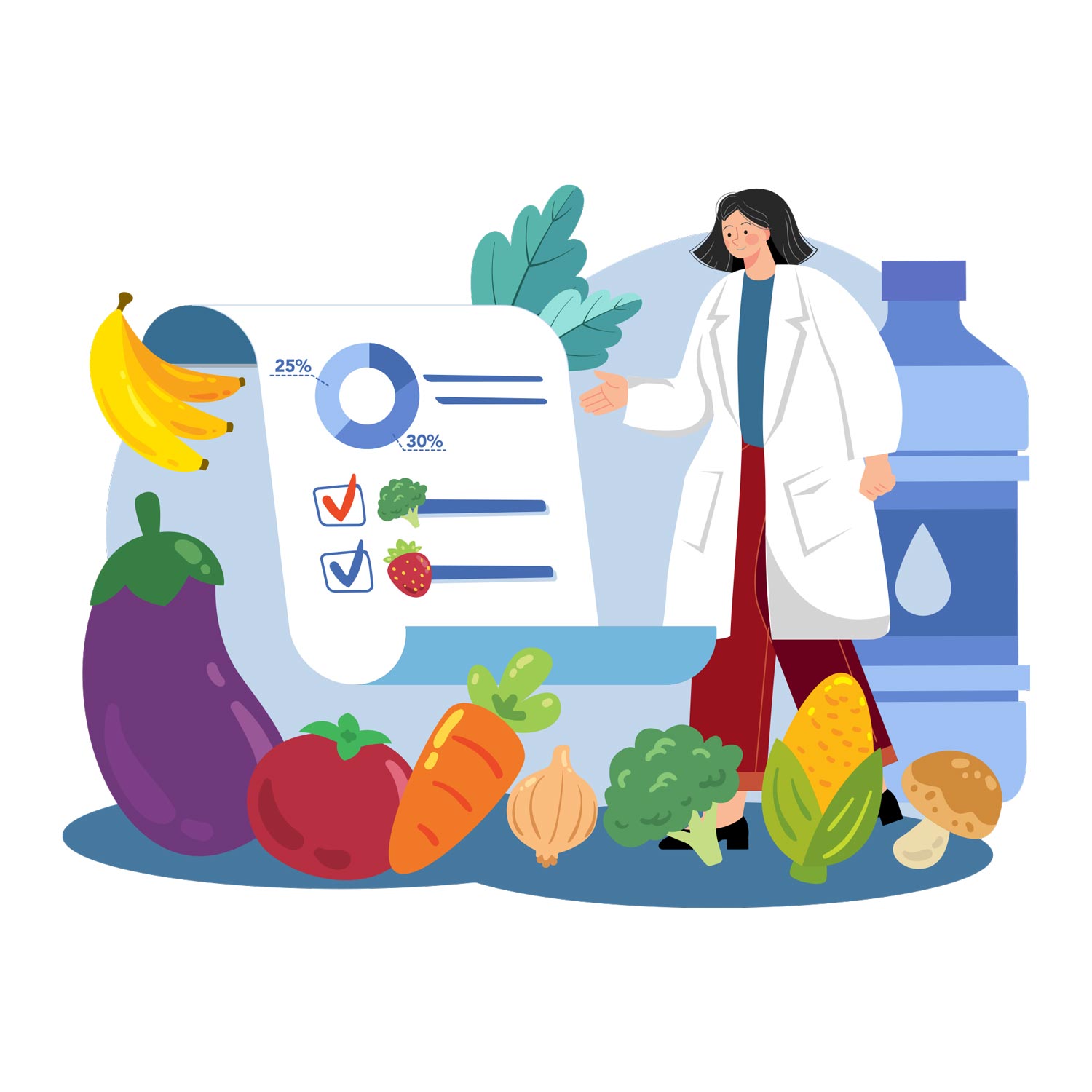
Compare program models, design elements, step therapy approaches, and best practices for structuring Food is Medicine programs to meet patient needs.
Explore Section 2 ▶

Section 3:
How Organizations Operationalize Food Is Medicine
Navigate considerations when choosing to build Food is Medicine programs in house or contract with high-quality external vendors.
Explore Section 3 ▶
Section 4:
Integrating Food is Medicine into the Clinical Workflow
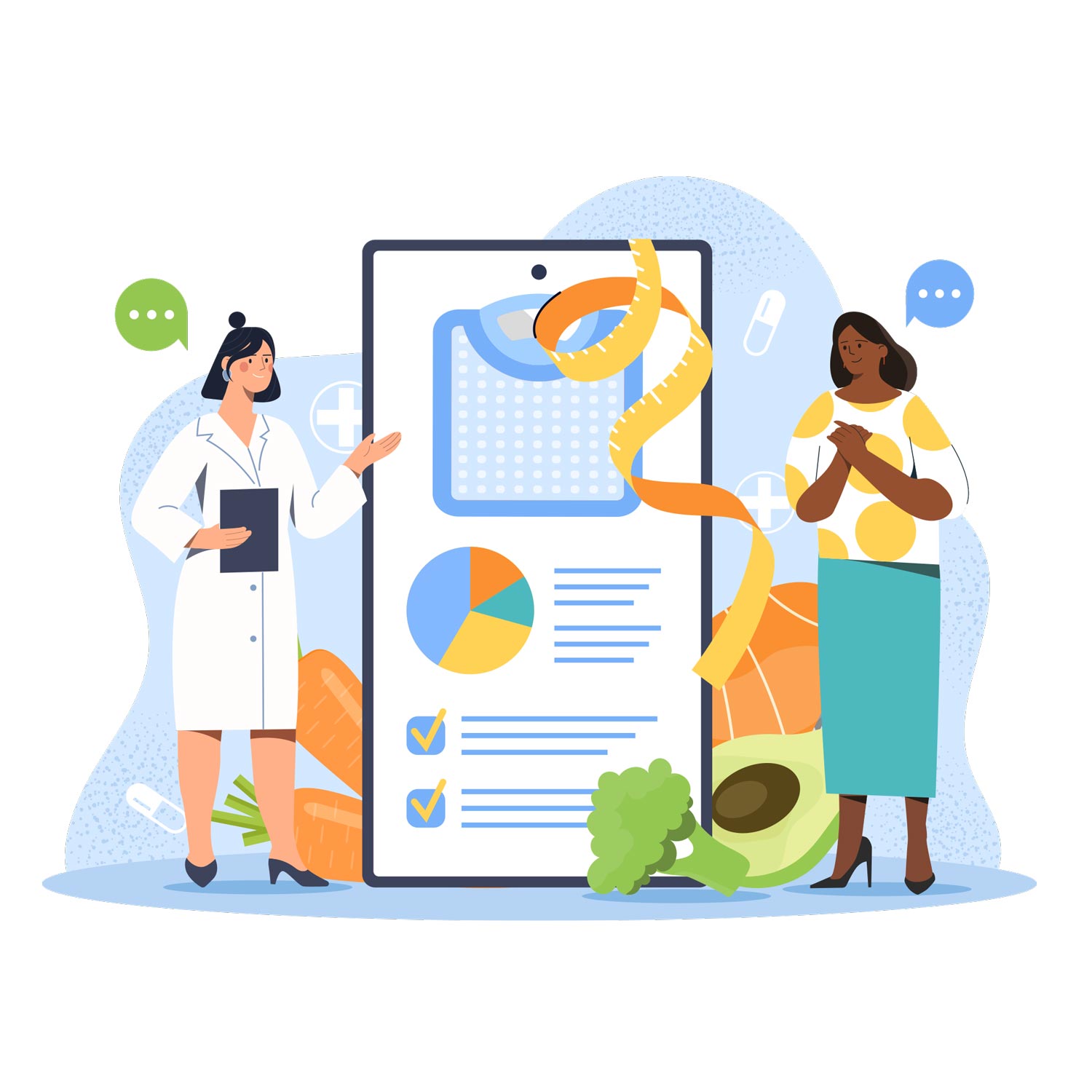
Establish pathways for Food is Medicine program screening, eligibility, clinical engagement, referral, enrollment, service delivery, care coordination, and feedback integration.
Explore Section 4 ▶

Section 5:
The Food is Medicine Value Proposition for Health Care
Align Food is Medicine programs with Medicaid, Medicare, and commercial group insurance strategies and communicate value to health system leaders.
Explore Section 5 ▶

Section 6:
Supporting Evaluation and Learning for Food is Medicine Programs
Measure Food is Medicine outcomes and integrate tools to demonstrate impact and frameworks for continuous improvement.
Explore Section 6 ▶
About This
Toolkit
The Food is Medicine Toolkit is developed by the Food is Medicine Institute at the Gerald J. and Dorothy R. Friedman School of Nutrition Science and Policy at Tufts University, with key input from clinical and health care management experts at Kaiser Permanente.
This resource is designed to support health systems in the design, implementation, and evaluation of Food is Medicine programs, using evidence from programs for patients with type 2 diabetes.
By synthesizing the latest research, real-world case studies, and practical tools, this toolkit aims to bridge the gap between evidence and practice—empowering health care organizations to deliver nutrition interventions that improve health outcomes, reduce costs, and advance health equity.